

-
MRI Physics
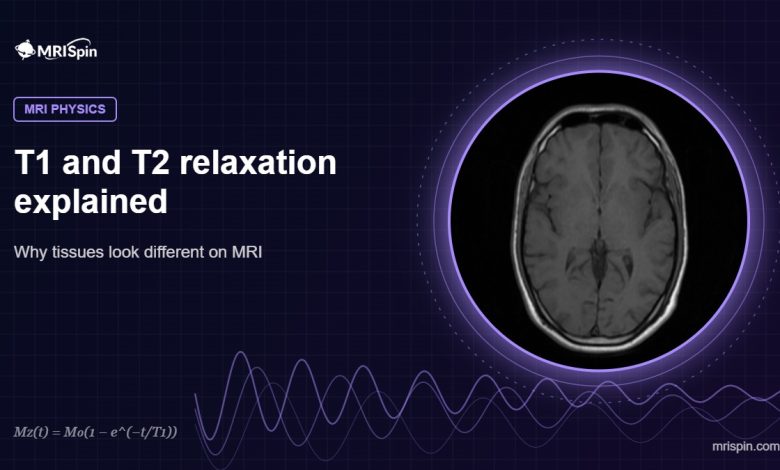
T1 and T2 relaxation explained: why tissues look different on MRI
How T1 and T2 relaxation, TR and TE create the contrast in MRI, with illustrative curves and a weighting table.
Read More » -
MRI Physics
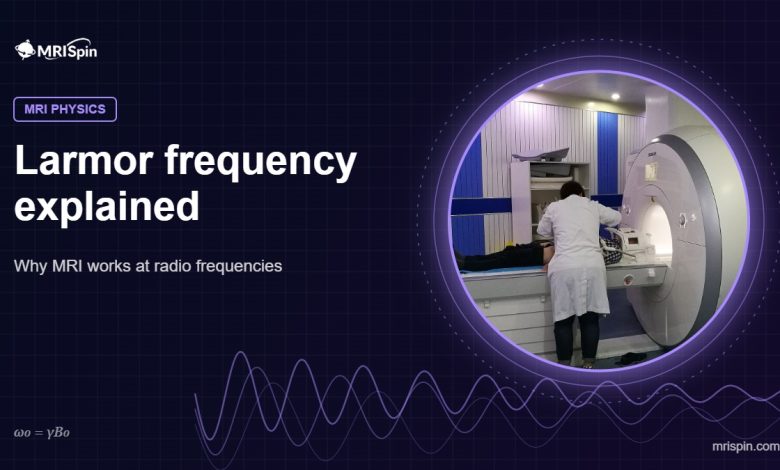
Larmor frequency explained: why MRI works at radio frequencies
How the Larmor equation links magnetic field strength to the radio frequency an MRI scanner uses, with worked examples for hydrogen and sodium.
Read More » -
ASL and Sodium MRI
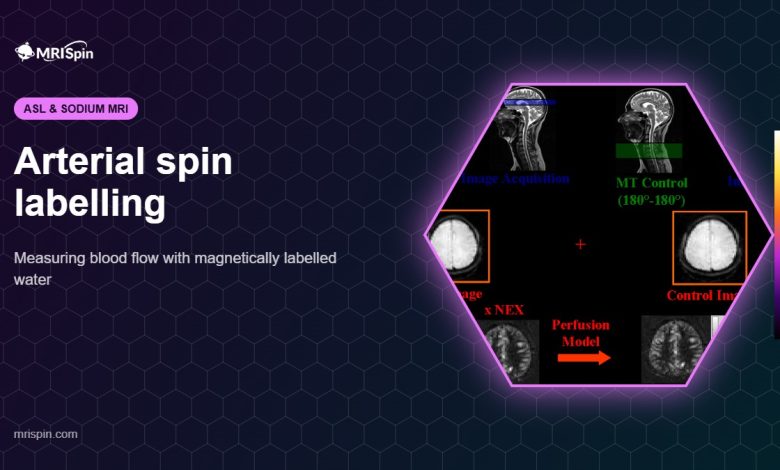
Arterial spin labelling in plain English
How ASL measures cerebral blood flow without contrast, what the post-labelling delay does, and why higher field strength is interesting.
Read More » -
Neuroimaging Software
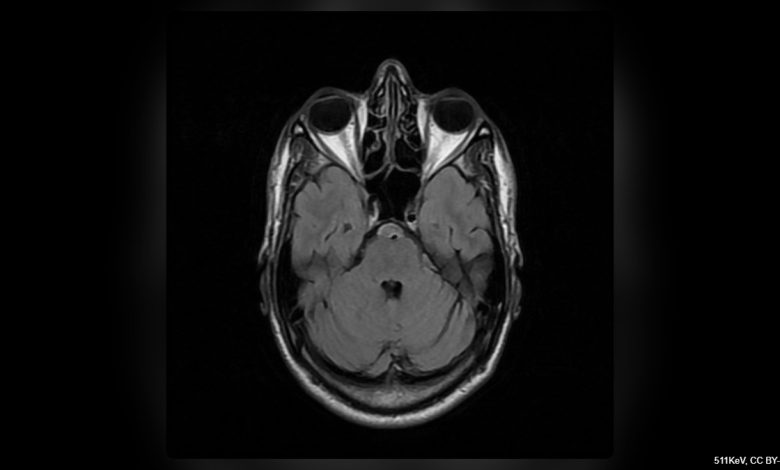
From DICOM to BIDS with HeuDiConv: a practical overview
A two-pass workflow for converting scanner DICOMs into a BIDS dataset with HeuDiConv, and the mistakes that catch people out.
Read More » -
Tools and Releases
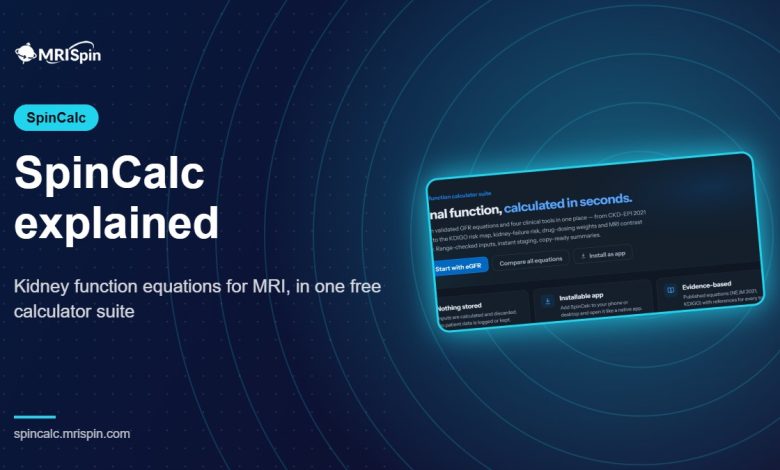
SpinCalc explained: kidney function equations for MRI
Why eGFR (CKD-EPI 2021), Cockcroft-Gault, MDRD and cystatin C estimates differ, and how to read them side by side.
Read More » -
Tools and Releases
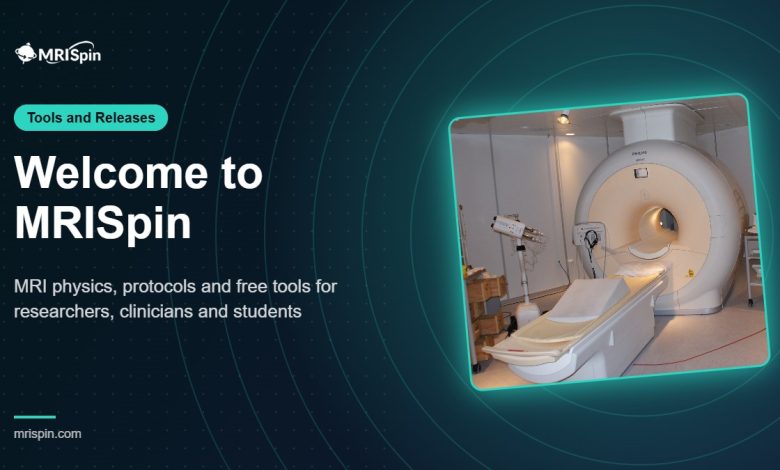
Welcome to MRISpin
MRISpin is a home for practical MRI knowledge and free browser-based tools for researchers, clinicians and students.
Read More » -
Body
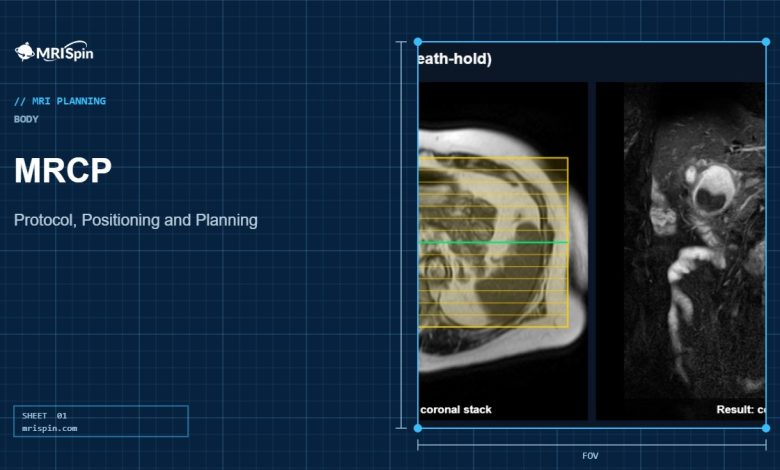
MRCP (Magnetic Resonance Cholangiopancreatography): Protocol, Positioning and Planning
A complete MRCP guide: biliary anatomy, indications, preparation, positioning, and each sequence with planning images and example parameters.
Read More »