

-
Neuroimaging Software
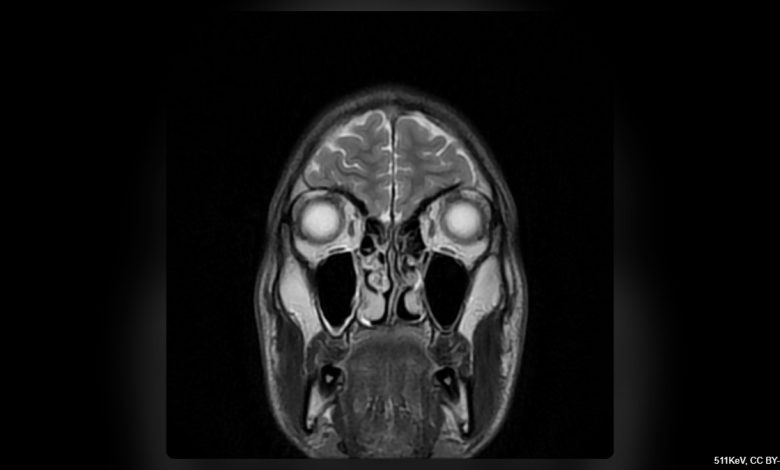
BIDS basics: organising neuroimaging data
How BIDS names and organises neuroimaging files, which files are required, and how to use the validator.
Read More » -
Neuroimaging Software
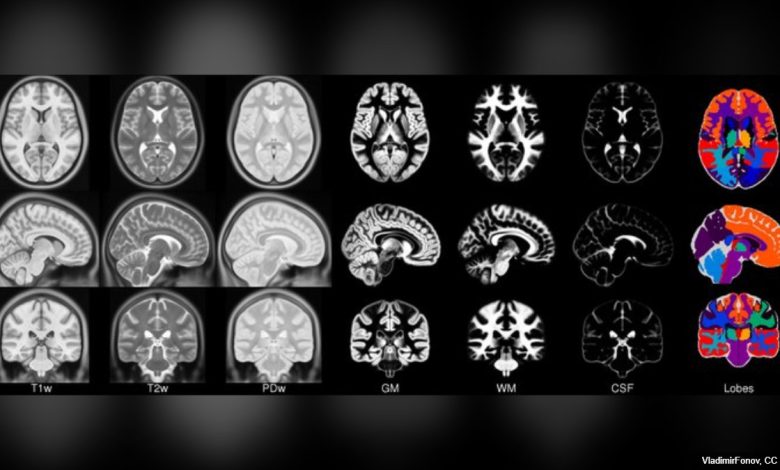
Image registration with ANTs: an overview
Rigid, affine and deformable registration with ANTs, similarity metrics, a basic example and how to check the result.
Read More » -
Neuroimaging Software
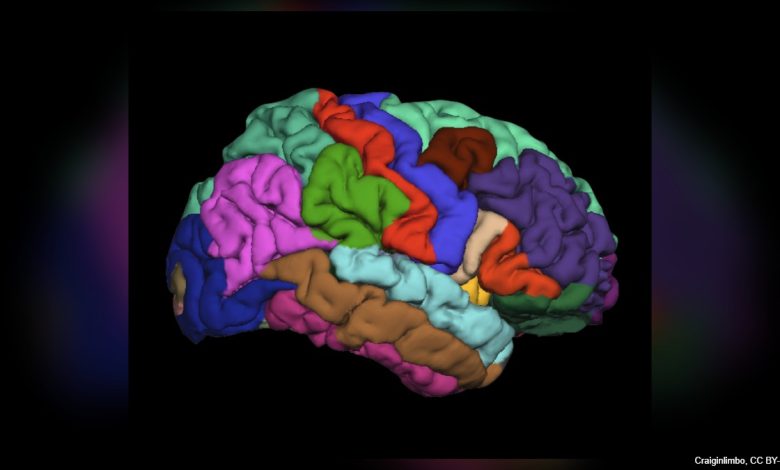
FreeSurfer recon-all: an overview
What FreeSurfer recon-all does, why surface-based analysis matters, what it outputs, and why quality control is essential.
Read More » -
Neuroimaging Software
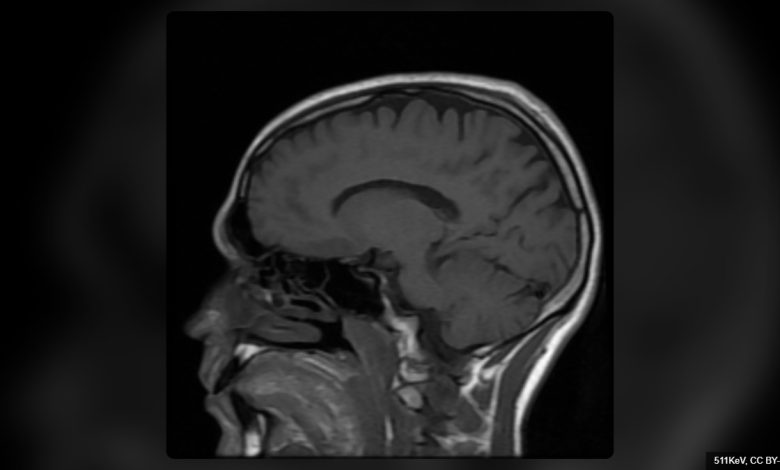
Getting started with FSL: brain extraction and registration
An introduction to FSL: the main tools, a typical structural workflow with BET, FAST and FLIRT, and the checks to run.
Read More » -
MRI Safety
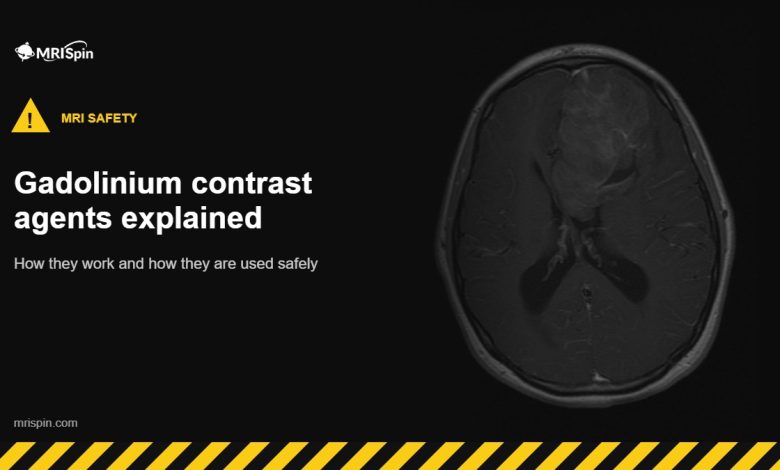
Gadolinium contrast agents explained: how they work and how they are used safely
How gadolinium contrast agents shorten T1, the difference between linear and macrocyclic agents, and the main safety topics: NSF and retention.
Read More » -
MRI Safety
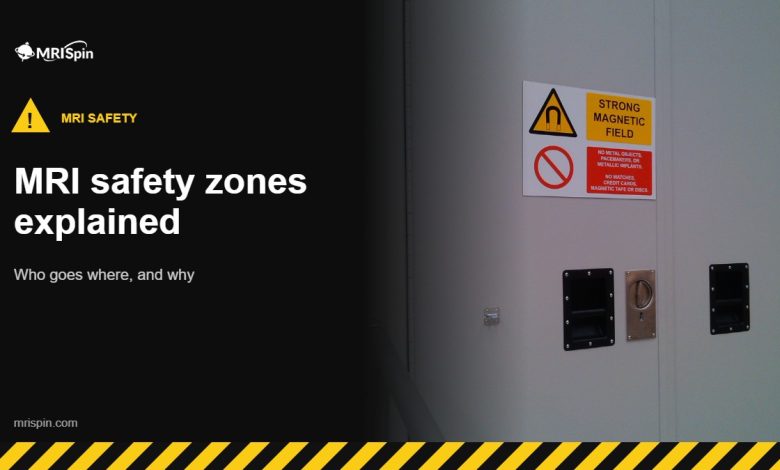
MRI safety zones explained: who goes where, and why
The four-zone MRI safety system, the main hazards in the scanner room, and what MR Safe, MR Conditional and MR Unsafe mean.
Read More » -
ASL and Sodium MRI
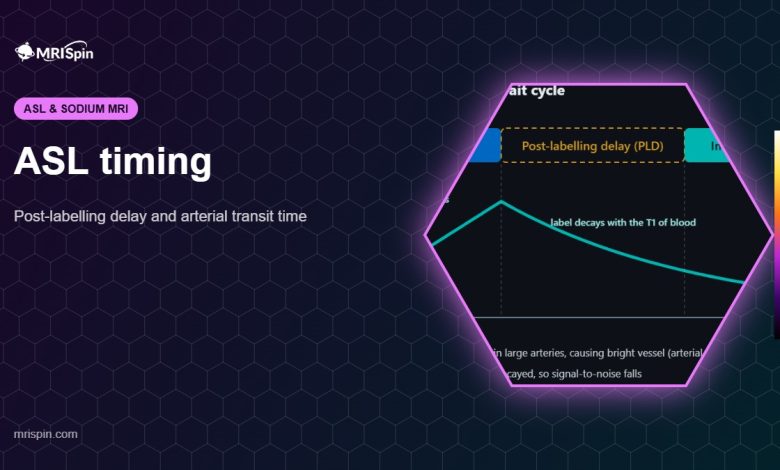
ASL timing: post-labelling delay and arterial transit time
How labelling duration, post-labelling delay and arterial transit time interact in ASL, and what happens when the delay is too short or too long.
Read More » -
ASL and Sodium MRI
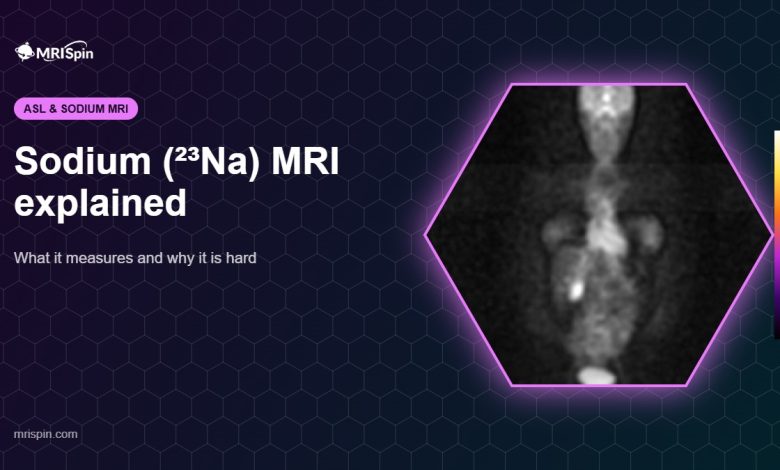
Sodium (²³Na) MRI explained: what it measures and why it is hard
Why sodium MRI is of interest, why its signal is weak and fast-decaying, and how ultra-short echo time methods and calibration give tissue sodium concentration.
Read More » -
MRI Physics
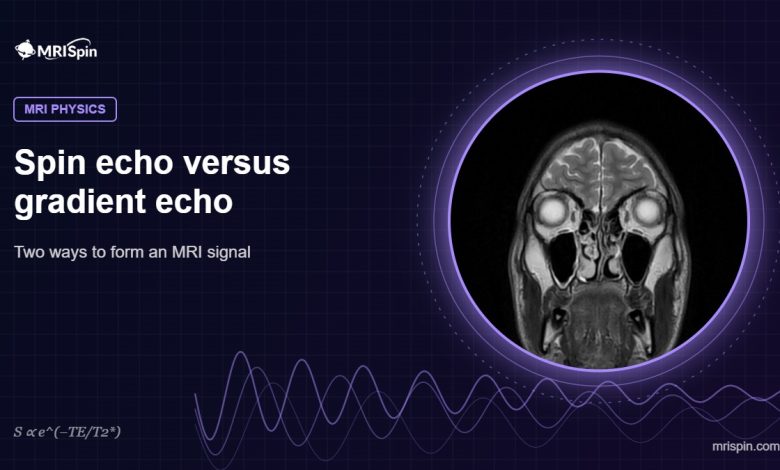
Spin echo versus gradient echo: two ways to form an MRI signal
How spin-echo and gradient-echo sequences form signal, why T2 and T2* differ, and how each affects artefacts and speed.
Read More » -
MRI Physics
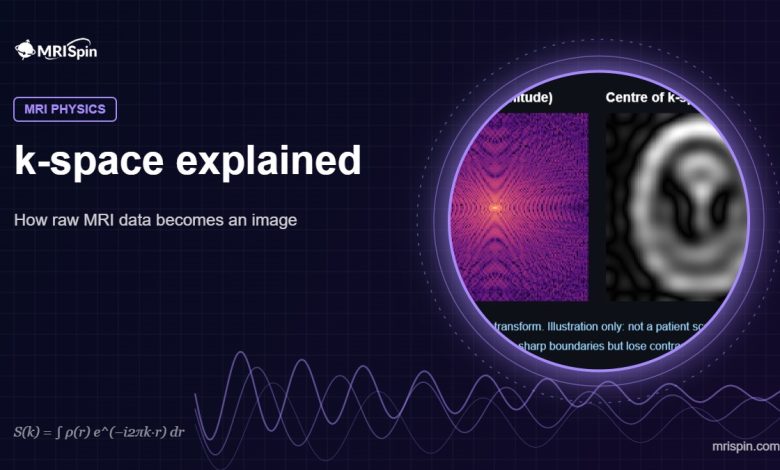
k-space explained: how raw MRI data becomes an image
What k-space is, what its centre and edges control, and how sampling sets resolution, field of view and scan time.
Read More »